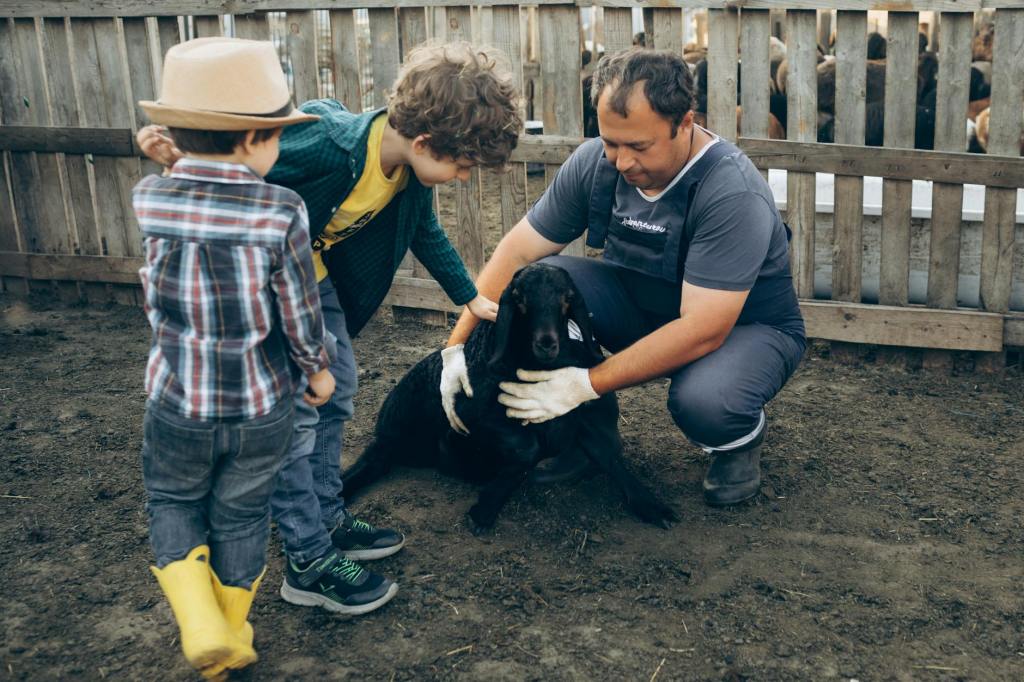
In our quest to alleviate suffering in the world, it’s natural to prioritize the well-being of those closest to us—our fellow human beings. Yet, this well-intentioned focus often comes at the expense of another group of sentient beings: animals. When we work to reduce human suffering without considering the impact on animals, we risk perpetuating a cycle of harm and missing the bigger picture.
The Moral Consistency Argument
At the core of many ethical systems is the belief that suffering, wherever it occurs, should be minimized. If we hold this belief, then it becomes inconsistent to limit our concern only to humans while disregarding the suffering of animals. After all, animals, like humans, are sentient beings capable of experiencing pain, fear, and joy.
Imagine, for a moment, the moral dissonance in rescuing a child from a burning building while deliberately leaving behind a dog trapped in the same fire. Most of us would instinctively feel the wrongness of that choice. Yet, on a larger scale, this is what happens when we focus solely on reducing human suffering while ignoring the suffering of animals. The inconsistency in our moral thinking becomes glaringly apparent.
The Interconnectedness of Life
Human lives are deeply intertwined with the lives of animals and the health of our environment. The way we treat animals often has direct consequences for human well-being. Take factory farming, for example. This industry not only subjects animals to immense suffering but also contributes to environmental degradation, public health crises, and even climate change—issues that profoundly affect human lives.
By addressing the root causes of animal suffering, we often find ourselves addressing human suffering as well. Consider the environmental impacts of reducing meat consumption: cleaner air, less deforestation, and more sustainable use of resources. These benefits contribute to a healthier planet for all of us, human and non-human alike.
Ethical Obligations and Speciesism
Many ethical frameworks, particularly those that emphasize the minimization of suffering (like utilitarianism), argue that our moral obligations extend to all sentient beings. When we ignore the suffering of animals, we fail to uphold these ethical standards. This selective empathy can be seen as a form of speciesism, where the suffering of one species (humans) is prioritized over another (animals) without a sound moral justification.
Speciesism, like racism or sexism, is a form of discrimination based on arbitrary criteria. Just as it is wrong to prioritize the well-being of one race or gender over another, it is equally wrong to prioritize human well-being at the expense of animals simply because they belong to a different species.
The Consequences of Instrumentalizing Animals
When we ignore animal suffering, we often end up treating animals as mere tools for human benefit—whether for food, clothing, entertainment, or research. This instrumentalization of animals not only causes immense suffering but also desensitizes us to the value of life itself.
A society that justifies cruelty to animals in the name of human progress is a society at risk of losing its compassion altogether. History has shown us that once we begin to devalue one form of life, it becomes easier to devalue others. By upholding the intrinsic worth of animals, we strengthen our commitment to compassion and empathy across all areas of life.
Cultivating a Culture of Compassion
Empathy and compassion are qualities that should extend beyond the boundaries of our own species. When we develop a genuine concern for the well-being of all sentient beings, we create a more humane and caring world. This holistic approach to reducing suffering not only benefits animals but also enriches our own lives, making us more aware, compassionate, and connected.
In a world where suffering is all too common, our challenge is not to limit our compassion but to expand it. By recognizing the interconnectedness of human and animal suffering, we can work towards a future where all beings are treated with the dignity and respect they deserve.


Leave a comment